
Category: Uncategorized

  • 99 Positive Alternatives to Scrolling on Your Phone

    99 Positive Alternatives to Scrolling on Your Phone

    Let’s be honest — we’ve all fallen into the scroll hole.

    You pick up your phone to “just check one thing,” and suddenly 20 minutes have vanished into TikTok videos, endless feeds, and that strange spiral of random articles.

    But what if you could replace that screen time with activities that energize, inspire, and genuinely benefit you?

    What if, instead of scrolling, you spent your time on things that make you feel happy, productive, or just… alive?

    Here’s your ultimate guide: 99 positive alternatives to scrolling on your phone.

    Organized by theme, so you can find the activity that fits your mood and energy level.

    Mindfulness & Self-Care:

    1) Meditate for 5 minutes.

    2) Take deep belly breaths.

    3) Journal your thoughts.

    4) Write a gratitude list.

    5) Try guided imagery.

    6) Make a self-care checklist.

    7) Take a warm bath with essential oils.

    8) Light a candle and sit quietly.

    9) Practice progressive muscle relaxation.

    10) Listen to calming instrumental music.


    Move Your Body:

    11) Go for a 10-minute walk.

    12) Stretch at your desk.

    13) Try yoga poses in the morning.

    14) Dance to your favorite song.

    15) Do 10 push-ups.

    16) Take the stairs instead of the elevator.

    17) Go for a bike ride.

    18) Try a new home workout.

    19) Practice balance exercises.

    20) Play an active game with your pets.


    Get Creative:

    21) Draw or doodle in a notebook.

    22) Paint with watercolors.

    23) Try hand lettering or calligraphy.

    24) Make a vision board.

    25) Sculpt with clay or playdough.

    26) Write a short poem.

    27) Color in an adult coloring book.

    28) Take photos of something beautiful in your space.

    29) Create a mood board for your next project.

    30) Experiment with digital art.


    Learn Something New:

    31) Read a non-fiction book.

    32) Listen to a podcast.

    33) Watch a TED Talk.

    34) Try a new language app.

    35) Research a topic you’re curious about.

    36) Take an online class.

    37) Learn a new skill (e.g., knitting, cooking, coding).

    38) Memorize a quote or poem.

    39) Explore your city’s history.

    40) Write down 5 interesting facts you learned today.


    Food & Drink:

    41) Make a healthy snack.

    42) Brew a cup of tea mindfully.

    43) Try a new recipe.

    44) Chop veggies for meal prep.

    45) Make a smoothie.

    46) Taste-test spices or herbs in your kitchen.

    47) Bake something simple.

    48) Organize your pantry.

    49) Plan your meals for the week.

    50) Journal your water intake.


    Tidy & Organize:

    51) Fold laundry.

    52) Declutter one drawer.

    53) Organize your closet by color.

    54) Sort your bookshelf.

    55) Wipe down surfaces.

    56) Clean your computer desk.

    57) Dust shelves or furniture.

    58) Water your plants.

    59) Rearrange furniture for a fresh perspective.

    60) Empty out your inbox (digitally or physically).


    Connect With Others:

    61) Call a friend or family member.

    62) Write a handwritten note.

    63) Send a text filled with gratitude.

    64) Plan a coffee date.

    65) Send a funny meme to someone you love.

    66) Compliment someone in person.

    67) Organize a small gathering.

    68) Reconnect with someone you haven’t spoken to in a while.

    69) Leave a thoughtful comment on a friend’s social media post.

    70) Teach someone something new.


    Enjoy Nature:

    71) Sit outside and notice the sky.

    72) Go for a nature walk.

    73) Collect leaves or flowers.

    74) Watch the sunrise or sunset.

    75) Listen to birds or natural sounds.

    76) Take a barefoot walk on grass.

    77) Explore a local park.

    78) Photograph your garden.

    79) Plant flowers, herbs, or vegetables.

    80) Try mindful walking, noticing each step.


    Music & Audio:

    81) Listen to a new album.

    82) Create a playlist for your week.

    83) Play an instrument.

    84) Learn a new song.

    85) Try singing along to your favorite tunes.

    86) Explore music from another culture.

    87) Listen to nature sounds.

    88) Practice humming or vocal exercises.

    89) Discover new genres.

    90) Write down your favorite lyrics.


    Personal Growth & Reflection

    91) Write down 3 things you love about yourself.

    92) Set a small goal for the day.

    93) Reflect on your accomplishments.

    94) Visualize your ideal future.

    95) Practice affirmations.

    96) Revisit old journal entries.

    97) Make a list of books to read this year.

    98) Plan a “digital detox” evening.

    99) List habits you want to cultivate.


    Why These Alternatives Work

    Scrolling is often mindless — your brain is passive, your body is still, and you feel like time has slipped away.

    These alternatives, on the other hand:

    • Give your brain a boost.
    • Encourage movement and creativity.
    • Help you connect with others or yourself.
    • Reduce stress and improve focus.

    Even picking just one or two of these activities instead of scrolling can shift your mood and make you feel productive, centered, and inspired.

    How to Make the Switch

    1) Start small:

    • Pick 3–5 activities from this list and swap them in during usual scroll times.

    2) Keep tools handy:

    • Have a journal, coloring book, or yoga mat nearby.

    3) Set phone boundaries:

    • Use screen-time apps or schedule breaks for phone-free moments.

    4) Celebrate small wins:

    • Even 5 minutes of mindful activity is better than mindless scrolling.

    The Takeaway….

    Your phone isn’t the enemy — it’s how we use it that matters.

    By intentionally replacing mindless scrolling with fun, engaging, and enriching activities, you’ll feel more grounded, energized, and creative.

    So next time your thumb drifts toward the feed, pause, and pick something from this list instead.

    Your mind, body, and spirit will thank you — and who knows?

    You might even discover a new hobby, a sense of calm, or a spark of joy you didn’t expect.
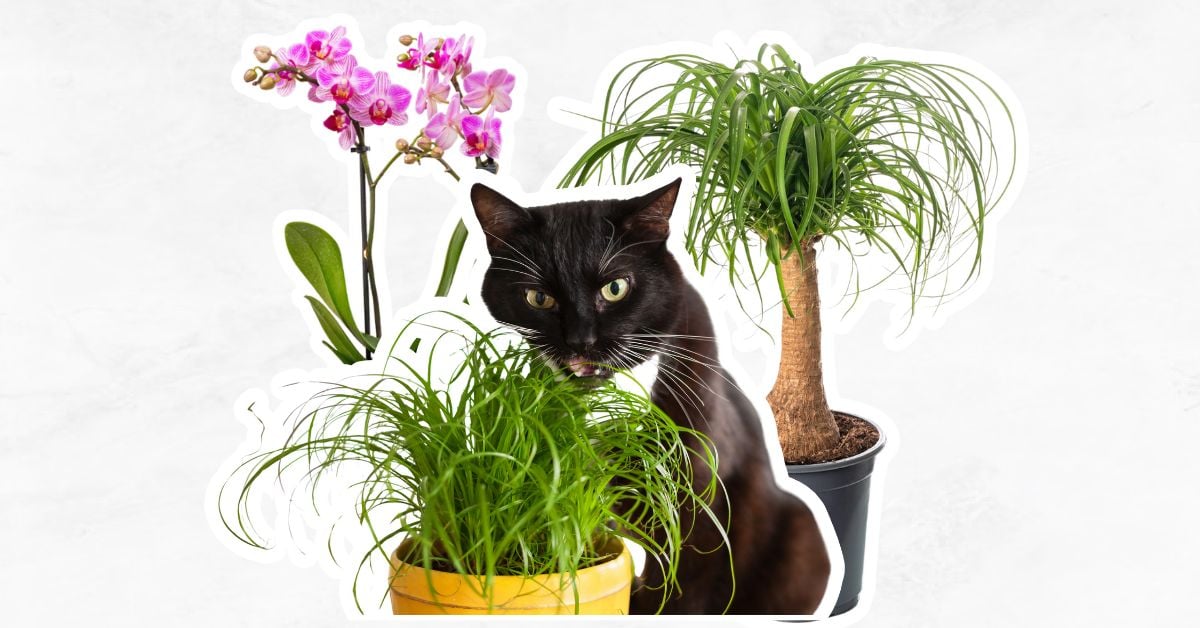
  • The Ultimate Guide to Pet‑Safe Houseplants (ASPCA Approved)

    The Ultimate Guide to Pet‑Safe Houseplants (ASPCA Approved)

    Because your plant collection shouldn’t put your fur babies at risk.

    There’s nothing quite like a home filled with lush greenery.

    It makes your space feel warmer, calmer, and just a bit more alive.

    But if you share your home with pets (especially curious cats or adventurous dogs), choosing the wrong plant can turn your greenery dream into a veterinary emergency

    We’ve rounded up the most popular ASPCA‑approved non‑toxic houseplants — so you can enjoy greenery without worry

    Why Choosing Pet‑Safe Houseplants Matters

    Before we look at specific plants, it’s important to understand why this is so crucial:

    • Curiosity is real:

    Cats especially love foliage — playing, biting, chewing, and batting leaves.

    Dogs will nibble plants too, especially if bored or teething.

    • Toxic plants are everywhere:

    Many classic houseplants like pothos, peace lilies, snake plants, and monstera are toxic to pets.

    They can trigger symptoms ranging from upset stomachs to severe organ issues

    Top Pet‑Safe Houseplants You’ll Love

    Below you’ll find a curated list of plants that are ASPCA‑approved non‑toxic.

    Included is a list of which pets they’re generally safe for (cats and dogs).

    1) Spider Plant (Chlorophytum comosum)

    Safe for: Cats & Dogs.

    A household classic for good reason.

    Spider plants are easy to care for, thrive in a range of light conditions, and help clean the air.

    Their cascading leaves also look gorgeous in hanging baskets.

    Pro tip: Cats sometimes love to chew spider plants — so place them high if your kitty is interested! 


    2) Parlor Palm (Chamaedorea elegans)

    Safe for: Cats & Dogs.

    Elegant and tropical‑looking, parlor palms bring a lush vibe without pet risk.

    They do well in low to bright indirect light.

    This makes them perfect for living rooms and bedrooms.


    3) Boston Fern (Nephrolepis exaltata)

    Safe for: Cats & Dogs.

    This fluffy fern adds dramatic texture and a pop of green.

    It prefers indirect light and consistent moisture.

    It’s a great hanging or shelf plant


    4) Areca Palm (Dypsis lutescens)

    Safe for: Cats & Dogs.

    Also known as butterfly or golden cane palm.

    The areca palm fills a corner with tropical flair and thrives in bright, indirect light

    Design tip: Pair it with a woven basket to add boho charm to living space corners.


    5) Ponytail Palm (Beaucarnea recurvata)

    Safe for: Cats & Dogs.

    Despite its name, this is not a true palm — but it looks like one and brings architectural height.

    It’s drought resistant, making it perfect for forgetful waterers.

    Style tip: A tall ponytail palm can anchor a corner beside your reading nook or desk.


    6) African Violet (Saintpaulia spp.)

    Safe for: Cats & Dogs.

    These petite plants bring bright color to indoor spaces and are popular for tabletops and shelves.

    They love moderate light and consistent moisture


    7) Cast Iron Plant (Aspidistra elatior)

    Safe for: Cats & Dogs.

    Tough, low‑light tolerant, and forgiving of beginner missteps — this plant is basically indestructible.

    Perfect for low‑traffic corners or spaces with fluctuating light


    8) Calathea & Prayer Plants (Calathea/ Maranta spp.)

    Safe for: Cats & Dogs.

    Also known as zebra plant or prayer plant.

    These beauties have patterned leaves and close up at night, giving aprayinglook.

    They love indirect light and slightly higher humidity.

    Style tip: Their bold foliage makes them great accents for coffee tables or bedside stands.


    9) Bromeliads

    Safe for: Cats & Dogs.

    These striking, tropical plants add dramatic flair and color to any room.

    Many varieties are non‑toxic and pet‑friendly as per ASPCA lists.

    Care tip: They love bright, indirect sun and occasional misting.


    10) Orchids (e.g., Phalaenopsis)

    Safe for: Cats & Dogs.

    Elegant and classic, orchids give gorgeous blooms without pet risks.

    They prefer bright, indirect light and well‑draining soil.


    11) Succulents (e.g., Echeveria, Haworthia)

    Safe for: Cats & Dogs.

    Many popular succulents like echeveria and haworthia are considered non‑toxic.

    It’s important to always double‑check specific varieties

    Design tip: Use them in sunny windowsills or grouped in small trays for modern minimalist style.


    12) Swedish Ivy & Pilea

    Safe for: Cats & Dogs.

    Swedish ivy brings trailing vines perfect for shelves or hanging baskets.

    Pilea (Chinese money plant) is adorable and low‑maintenance


    13) Moth Orchid (Phalaenopsisspp.)

    Safe for: Cats & Dogs.

    Elegant and classic, these orchids produce long-lasting blooms in shades of white, pink, and purple.

    They thrive in bright, indirect light and well-draining soil.

    Perfect for tabletops or window sills.

    Care tip: Water once a week and let the soil dry slightly between watering.


    14) Hens and Chicks (Sempervivumspp.)

    Safe for: Cats & Dogs.

    These low-growing succulents are easy to care for and perfect for small planters or terrariums.

    Their rosette shape makes them visually appealing without taking up much space.

    Care tip: Bright light is essential; allow soil to dry completely between waterings.


    15) Friendship Plant (Pilea involucrata)

    Safe for: Cats & Dogs.

    Known for its textured leaves and compact size, the friendship plant thrives in medium light.

    It adds a lush touch to shelves or desks.

    Care tip: Keep soil lightly moist and avoid direct sunlight, which can scorch the leaves.


    16) Lipstick Plant (Aeschynanthus radicans)

    Safe for: Cats & Dogs.

    Named for its vibrant red tubular flowers, this trailing plant is stunning in hanging baskets or high shelves.

    It’s safe for both cats and dogs while bringing a pop of color indoors.

    Care tip: Prefers bright, indirect light and regular watering, allowing soil to dry slightly between waterings.


    17) Bamboo Palm (Chamaedorea seifrizii)

    Safe for: Cats & Dogs.

    This pet-safe palm adds tropical vibes and grows tall, making it perfect for corners or large living spaces.

    It tolerates low light better than many other palms.

    Care tip: Keep soil consistently moist but not soggy, and wipe leaves occasionally to remove dust.

    🐾 Notes on Safety

    Even though these plants are non‑toxic, there are a few things to remember:

    • No plant is completely “edible.”: Even pet‑safe plants can cause upset tummies if eaten in large amounts.
    • Placement matters: Use hanging baskets, shelves, or stands to keep greenery out of reach of overly curious pets.
    • Plants aren’t toys: Some pets enjoy chewing or playing with plants — keep a close eye on behavior.
    • Different species, different rules: Some plants have toxic relativesalways double‑check the exact scientific name via the ASPCA database before buying.
  • 10 Beyond Simple Ways to Make Your Home Smell Amazing Naturally!

    10 Beyond Simple Ways to Make Your Home Smell Amazing Naturally!

    There’s nothing quite like walking into your home and being greeted by a beautiful, comforting scent.

    Especially one that isn’t just covering up odors with artificial chemicals, but enhancing your space naturally.

    Best of all, you don’t need expensive sprays or petroleum‑filled air fresheners to make it happen.

    The Basics: What Makes a Space Smell Good Naturally

    Great natural scent comes from three key elements:

    1) Moisture + heat:

    • This helps release scent molecules into the air.

    2) Botanicals + spices:

    • Natural fragrances like citrus, rose, lavender, and rosemary send off beautiful notes when warmed or simmered.

    3) Absorbents:

    • Baking soda, coffee grounds, and charcoal don’t smell on their own.
    • But….can absorb and neutralize odors, making space smell fresher.

    With these foundations, let’s explore ways you can naturally fragrance every corner of your home.

    10 Beyond Simple Ways to Make Your Home Smell Amazing Naturally

    1) Simmer Pot Scents — Kitchen Aroma Magic

      One of the most classic ways to scent a home naturally is with a simmer pot.

      All it takes is a pot, water, and fragrant ingredients simmering on the stove.

      Simmer Pot Ideas:

      • Citrus + Rosemary: Orange or lemon peels + a few sprigs of rosemary + water.
        A citrusy, uplifting scent — perfect for kitchens and living rooms.
      • Apple + Cinnamon: Sliced apple + cinnamon sticks + water. Cozy and warm — ideal for autumn or any chilly evening.
      • Ginger + Clove + Lemon: Fresh ginger + whole cloves + lemon slices.
        A spicy‑fresh aroma that’s both invigorating and comforting.

      Instructions:

      i) Combine ingredients in a pot.

      ii) Cover with water.

      iii) Simmer on low heat, adding water as needed.

      iv) Enjoy the fragrance throughout your home!

      Tip: Keep the flame low — you want aroma, not steam. Simmer pots are perfect for afternoons and evenings when you’re home.


      2) Essential Oil Diffusers — Subtle & Continuous

      Essential oils are concentrated plant extracts.

        A diffuser spreads their natural scent gently throughout a room.

        Some favorite scent combinations:

        • Lavender + Chamomile: Calming and perfect for bedrooms.
        • Eucalyptus + Mint: Crisp and refreshing for bathrooms or offices
        • Sweet Orange + Vanilla: Cheerful and warm for living areas

        How to Use:

        i) Add water to your diffuser’s fill line.

        ii) Add 5–10 drops of essential oil.

        iii) Turn it on and enjoy hours of fragrance.

        Why diffusers are great: They don’t mask smells — they enhance air quality while providing therapeutic benefits.


        3) Citrus Peel Air Fresheners — Fragrance from the Fridge

        After enjoying fresh fruit, don’t toss the peels!

          Citrus peels from lemons, oranges, grapefruits — hold essential oils that smell divine.

          Peel & Dry:

          i) Place peels on a baking tray and dry them for a few hours at low heat (around 200°F / 93°C).

          ii) Once dry, place them in decorative bowls around your home — especially in entryways and bathrooms.

          Quick Freshen:

          i) Boil peels with a bit of water and a cinnamon stick for 10 minutes.

          ii) Turn off heat and leave pot open to spread aroma.

          Citrus peels are free, pleasant, and refresh air without chemicals.


          4) DIY Room Sprays — Quick & Customizable

          If you love a quick burst of fragrance, you can make your own room spray in minutes.

          Base Recipe:

          • 1 oz (30 ml) distilled water.
          • 1 oz (30 ml) vodka or rubbing alcohol.
          • 15–20 drops essential oil (choose one or a blend).

          Scent Ideas:

          • Spa Breeze: Eucalyptus + Peppermint.
          • Warm Cozy: Vanilla + Cinnamon.
          • Fresh Morning: Lemon + Lavender.

          Shake and mist around your room.

          Shake and mist on fabrics, curtains, pillowsanywhere you want refreshing natural scent.


          5) Coffee Grounds for Neutralizing Odors

          Coffee grounds don’t just smell good — they absorb unwanted odors.

          Place a small bowl of fresh, dry coffee grounds in:

          ✔ the fridge.

          ✔ trash can area.

          ✔ musty closets.

          ✔ mudrooms.

          Over time, the coffee scent neutralizes unpleasant smells and leaves a gentle coffee aroma behind.


          6) Potpourri & Herb Bundles — Rustic, Evergreen Scents

          Potpourri is dried flowers, herbs, and spices that naturally scent a space without heat.

          Simple Potpourri Mix:

          • Dried rose petals.
          • Lavender buds.
          • Cinnamon sticks.
          • Star anise.
          • Orange peel.

          Combine in bowls or jars and place them in living rooms, bathrooms, or bedrooms.

          Refresh with a few drops of essential oil every week.

          DIY Herb Bundles:

          Tie fresh sprigs of rosemary, thyme, or sage with string and hang them in closets or near windows.

          The warmth of daylight will release subtle herb fragrances.


          7) Clean Fabrics = Fresh Smelling Rooms

          Our fabricscurtains, sofas, rugs, beddinghold a LOT of odor from everyday life.

          Quick Tips:

          • Wash sheets weekly — add a few drops of essential oil to the rinse cycle.
          • Shake out throw blankets outdoors.
          • Vacuum carpets with baking soda (let it sit before vacuuming to absorb smells).

          Bonus: Slip a few drops of essential oil on wool dryer balls — they’ll scent clothes naturally as they dry.


          8) Indoor Plants – Natural Air Purifiers + Subtle Scents

          While most indoor plants don’t emit a strong fragrance, some help clean the air, which leads to a perceived fresher space.

          Great options:

          • Lavender – gentle floral scent.
          • Mint – cool, refreshing aroma.
          • Herbs like basil & rosemary – slightly sweet, herbal notes.

          Place these near windows so they thrive and continue contributing gentle, natural scent to your home.


          9) Baking Soda + Charcoal — Odor Absorbers

          If your goal is neutralizing odors, not just masking them, you need absorbents:

          Baking Soda Hack:

          • Place small bowls of baking soda around stinky spotsrefrigerators, laundry rooms, bathrooms.
          • Replace every 2–4 weeks.

          Activated Charcoal:

          • Charcoal bags (sold online or in health stores) absorb odors efficiently and can last months.
          • Great in closets, basements, or near litter boxes.

          Neither adds a scent, but by clearing bad smells, they let your good natural aromas shine.


          10) Simmer Spices Only — Cozy Without Sweet

          Sometimes you don’t want a food‑like scent, just cozy warmth.

          Try simmer pots of:

          ✨ Cinnamon + Clove.

          ✨ Star Anise + Cardamom.

          ✨ Vanilla extract + Water.

          These create depth without being sugary.

          Perfect for living rooms and evenings when you want subtle, grown‑up aroma.

          Seasonal Scent Ideas

          Great home scent ideas can change with seasons — embracing different moods and memories.

          Autumn:

          • Apple + cinnamon.
          • Pumpkin spice + orange zest.

          Winter:

          • Evergreen clippings + cranberries.
          • Vanilla + clove + orange

          Spring:

          • Lavender + lemon.
          • Fresh herbs + jasmine petals.

          Summer:

          • Mint + lime.
          • Citrus + rosemary.

          These simple blends connect your home to feelings of warmth, freshness, and seasonal joy.

          Why Natural Home Fragrance Is Worth It!

          Before we get into the “how‑tos,” let’s talk about why natural scents are better than artificial ones.

          1) Your Brain Loves Real Aromas

          Our sense of smell has a direct link to the limbic system – the part of the brain that governs emotions and memories.

          That’s why a smell can instantly transport you back….

          Back to a childhood kitchen, a favorite vacation, or the comforting arms of someone you love.

          Natural scents from plants, herbs, and food triggers real brain responses.

          Natural scents without synthetic chemicals that can sometimes irritate or overwhelm.


          2) Free from Harsh Chemicals

          Many store‑bought air fresheners contain volatile organic compounds (VOCs), phthalates, and artificial perfumes.

          All of which can contribute to headaches, asthma triggers, and indoor air pollution.

          Natural alternativesessential oils, herbs, citrus, spices — smell just as luxurious without the risks.


          3) Affordable Aromatherapy at Home

          You don’t need fancy gadgets or expensive candles to scent your space.

          Consider a few inexpensive ingredients — like citrus peels, cinnamon sticks, coffee grounds.

          With these you can craft your own signature home fragrance.

          A fragrance that’s both effective and wallet‑friendly.

          5 Mistakes That Ruin Natural Home Fragrance

          To make your efforts truly effective, avoid these common pitfalls:

          1) Overheating oils or citrus peels — it can burn them and create unpleasant scents.

          2) Using too many conflicting fragrances — stick to 1–3 elements per space.

          3) Spraying essential oils directly on furniture — they can stain; use sprays or diffusers instead.

          4) Ignoring odor sourcesnatural scent won’t fix mold or trash smells. Clean those first.

          5) Using only artificial sprays — they mask, not eliminate, odors.

          Your Signature Home Scent

          If you experiment with all the ideas above, you’ll start to notice patterns.

          Certain fragrances make you feel calm, others invigorate you, and some simply make you smile.

          Here’s a simple recipe to help you define your signature home scent:

          1) Pick your base notes (comforting and long‑lasting): vanilla, cinnamon, cedarwood.

          2) Choose middle notes (heart of the scent): lavender, rosemary, rose.

          3) Add top notes (first impression): citrus peel, peppermint, ginger.

          Blend them in simmer pot, diffuser, or room spray, and you’ve got a fragrance that’s uniquely yours.

        1. Hello world!

          Welcome to WordPress. This is your first post. Edit or delete it, then start writing!